There’s a Lebanese shop in my town that’s part restaurant and part grocery store, and it’s become a reliable option for lunch these days. If I’m out running errands, I like to stop in for a plate of hummus, warm pita, and a couple of the sides that look good that day, like fattoush salad or stuffed grape leaves.
More often than not, I take a walk through the aisles and pick out something to bring home, like salty feta cheese, tender dates, orange blossom water, or pine nuts. They also sell large containers of za’atar, the Middle Eastern spice mix that’s perfect for all sorts of things: meats, veggies, dips, even hard boiled eggs. The version I picked up recently was a red za’atar, made with thyme, sesame, aleppo pepper, sumac, and cumin.


Just a few days earlier I’d come across a post about za’atar on Cardamom & Tea, one of my favorite food blogs of late. Like many spice blends, this one has been subject to variations and interpretations over the years, but traditional versions always include wild thyme, which isn’t the same kind you’ll find in the U.S.
“Lots of folks (my family included) have learned to make do with the ingredients available in their new home after immigrating, and za’atar made from French thyme out of necessity is no less authentic than za’atar grown in the hills of the Levant. Authenticity comes form a place of love, memory, and honor, and not from authority.”
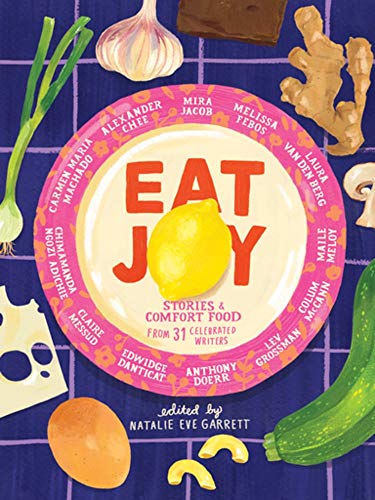
This reminder came on the heels of finishing a new collection of essays, Eat Joy: Stories & Comfort Food From 31 Celebrated Writers, (affiliate link) which I heartily recommend for yourself or as a gift. The book celebrates all the ways food brings joy, even when we’re in the midst of moves, relationships falling apart, loss, or feeling homesick, and how we piece things back together again.
“The spices bring back memory—the oldest, shining memories, that came long before any painful new mistakes and reversals.”
In an essay titled “Leaves,” Diana Abu-Jaber recounts a story told by her grandmother, about the Palestinians fleeing from their villages in 1948. “They ate the herbs that grew in the fields—wild thyme and oregano. Za’atar. Just leaves.” Her aunt called this flight the hejira—part escape, part migration, part pilgrimage. As an adult, Abu-Jaber clings to this resonant word through life’s ups and downs, like times when she’s moved across country for new job or left two previous husbands.
On coming home through food, she writes:
“I prefer the solace of cooking, which can offer both freedom and comfort. Like my exiled auntie who prepared the dishes of her lost childhood, whenever I’ve gone on hejira, I’ve found myself back in spice markets and import stores and falafel stands … The spices bring back memory—the oldest, shining memories, that came long before any painful new mistakes and reversals.”
Cooking, it seems, can help us travel through time—back through our own memories and those of our ancestors. It’s an incredible thing to feel not only rooted in your own kitchen, but aware of those who came before you. I often think of my own grandmother when I’m stirring pancake batter in her old yellow Pyrex bowl, which I’ve inherited.
All this was in my mind as I walked into my neighborhood Lebanese cafe for a container of thick, strained yogurt. My heritage may hail from another region, but that’s the other beautiful thing about food: even cooking another country’s cuisine, it’s still possible to find ways to connect those flavors to your own unique stories, and appreciate our shared humanity.
Za’atar by Zayt
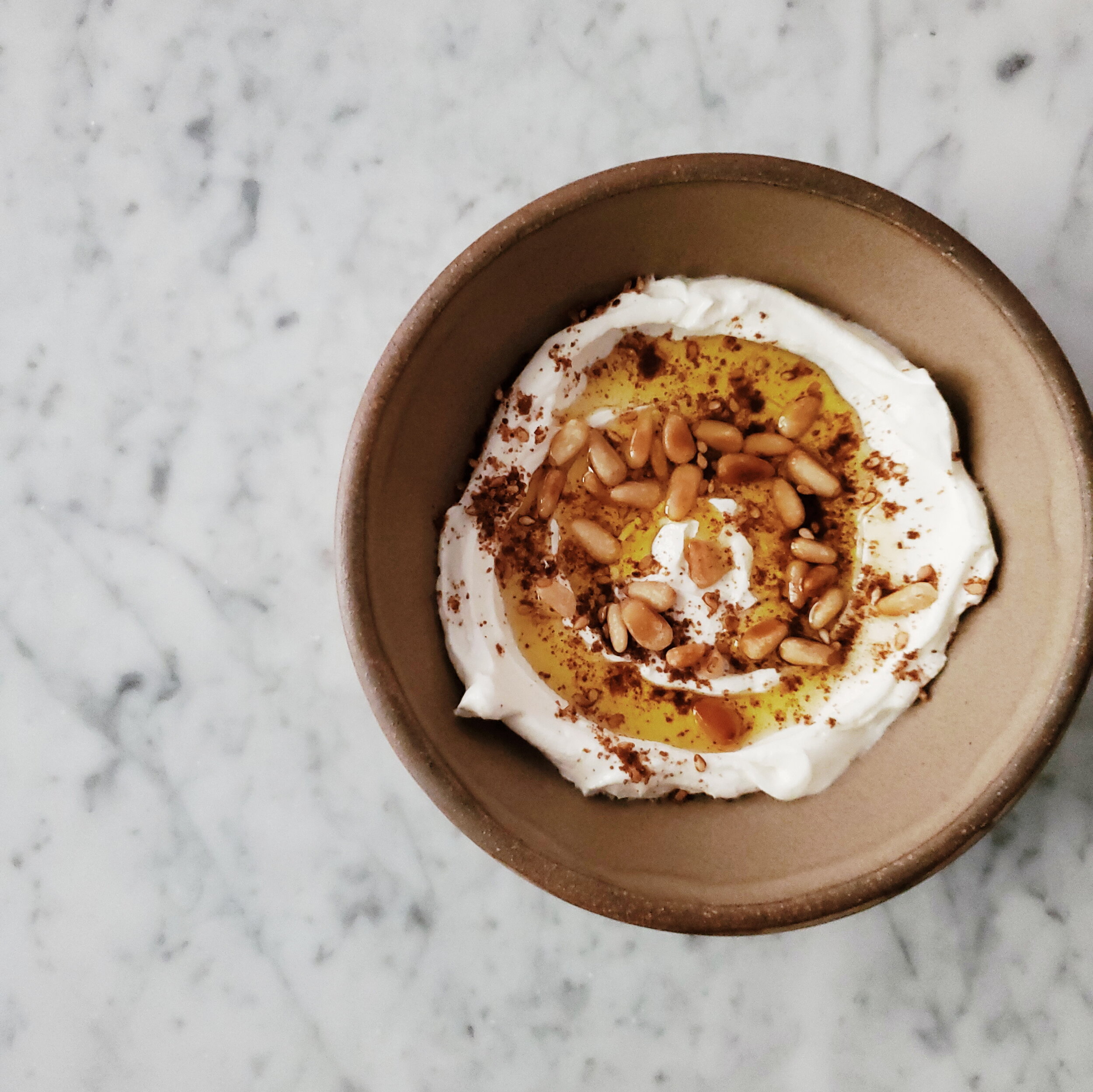
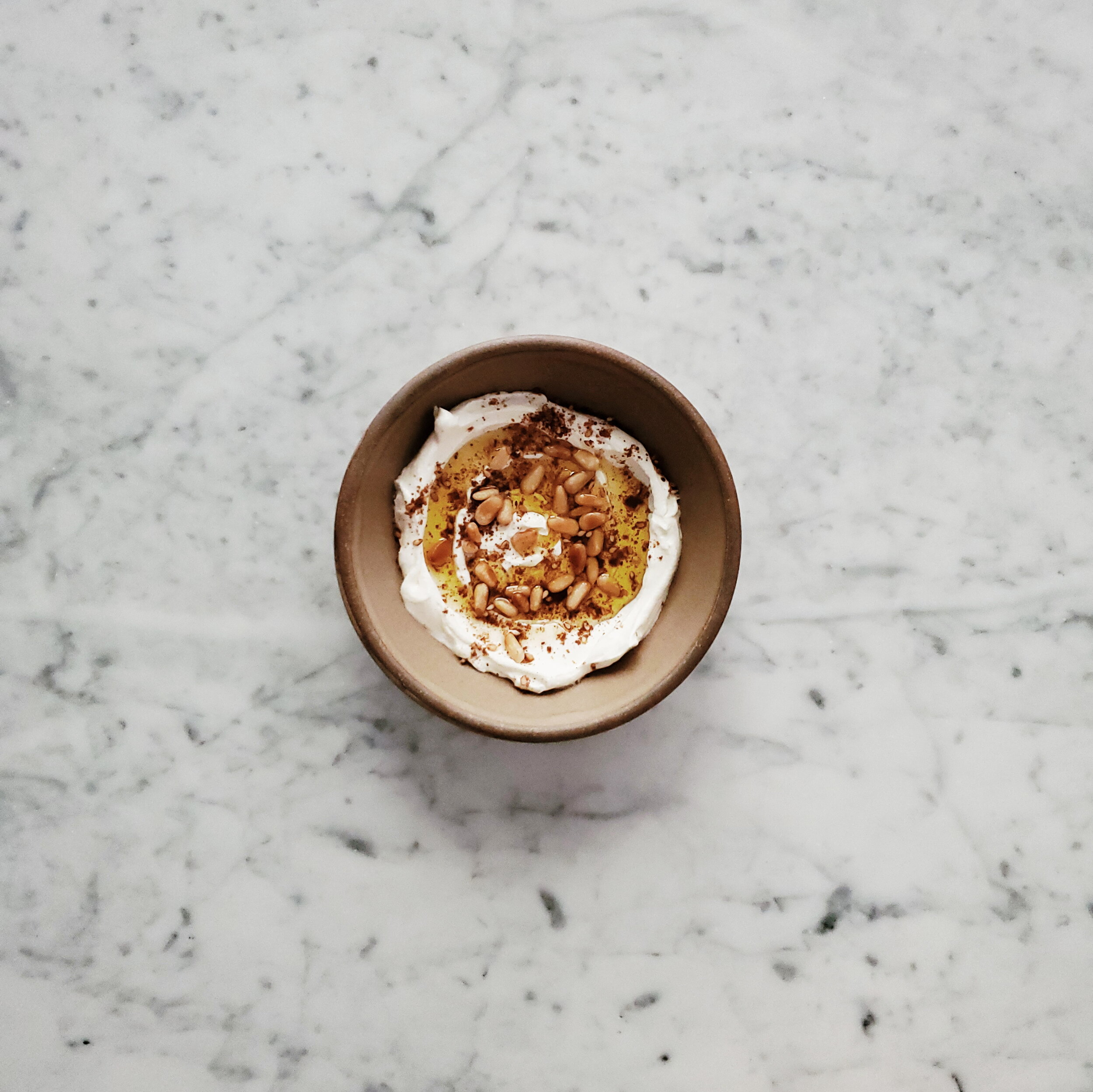
As you can see, this is more a method than a complicated recipe. So long as you have good ingredients, you can easily put this together for a light lunch, appetizer, or serve it alongside grilled meats. I added toasted pine nuts for a bit of crunch. And here is a note from the author:
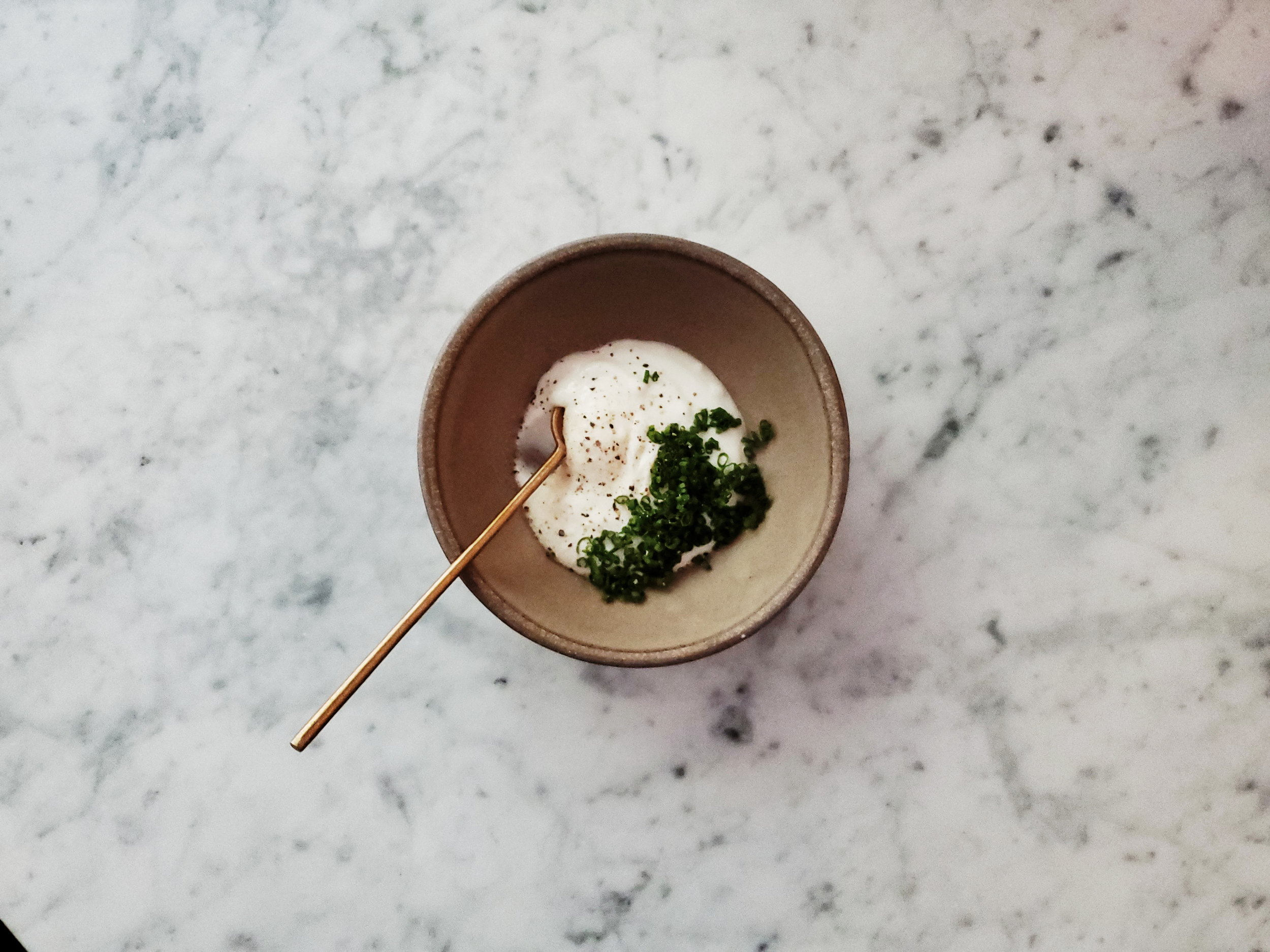
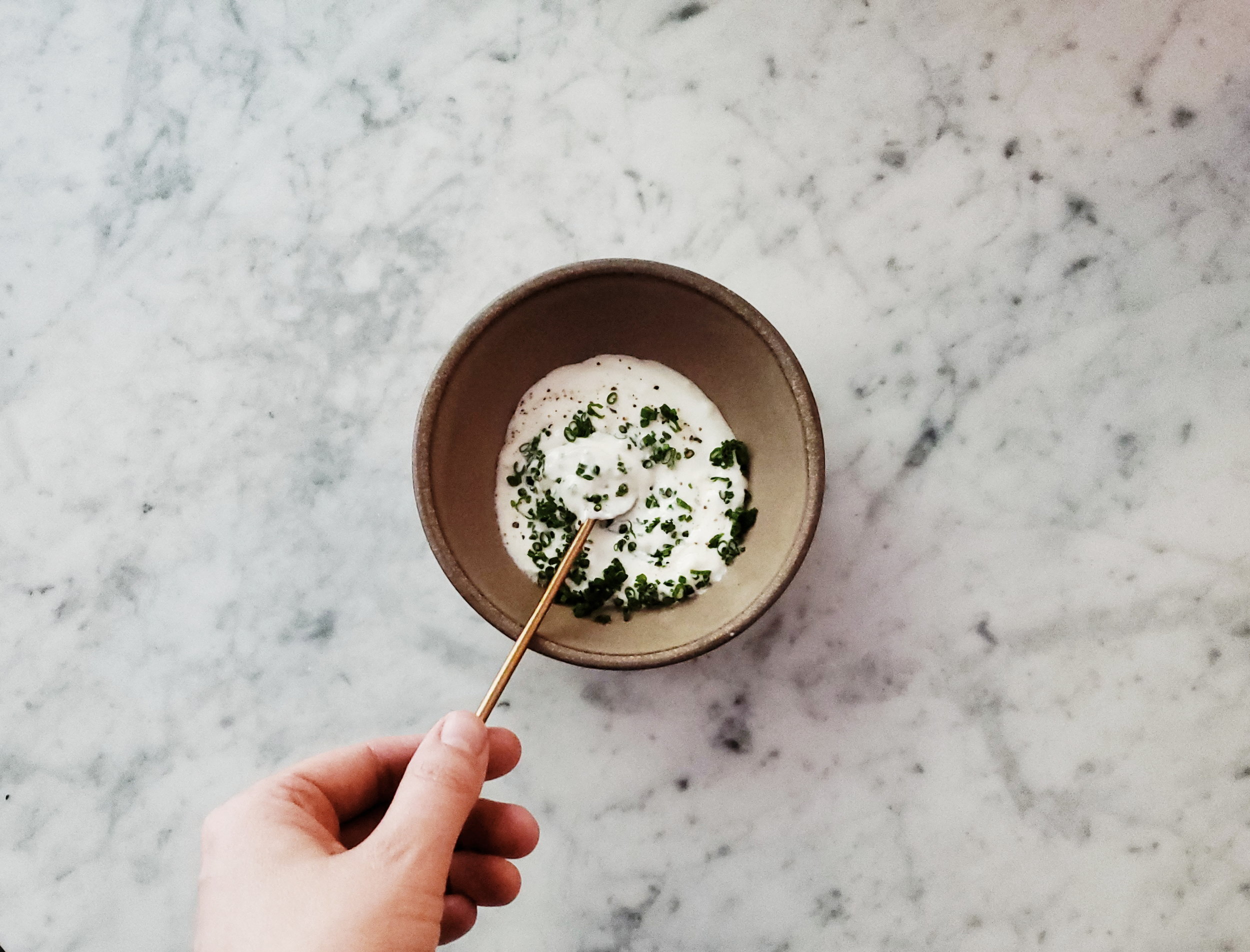
“These days, many stores carry containers of lebeneh, but it’s very easy to make. Simply place a container of plain, full-fat yogurt into a lined coffee filter or several layers of paper towels inside a mesh strainer over a bowl. Overnight, the liquid will drain out. Discard. The remaining yogurt will have thickened into a creamy, mild dip.”
Ingredients
Big scoop of lebeneh
Drizzle or three of good olive oil (I used Fat Gold)
Small heap of za’atar
Fresh loaf of pita bread, cut into triangles
Instructions
Place the lebeneh in a bowl; make a trough. Sprinkle with za’atar. Dip in with pita or chopped-up crudités. Serves about two, depending on appetite.